Work / Alura; case 1 of 3
Previous: Café com DungeonNext: Meteor & Galaxy
Designing the asset system behind 1,200 videos a semester
At Brazil's largest EdTech, the team behind every course worked like an agency with five clients and five different ways of asking. I researched how work really moved, then designed the system people use to find and reuse assets, and documented every pipeline.
- My role
- Research, design of the asset system and its tools; led the team
- Team
- Design and video, grown from 4 to 12 people
- When
- June 2022 to now
- Internal clients
- Content, Marketing, B2C, HR and Start, the kids' brand
Problem
Alura ships more than 120 courses every quarter and over 1,200 videos every semester. Designers and video editors served five internal clients: Content, Marketing, B2C, HR and the kids' brand.
Every client had its own pipeline. Requests arrived in any format, the asset library had bloated with near-duplicates, and work kept bouncing between the content and video teams for fixes.
Research
- 12+professionals in research across editing, design and content
- Auditsusability audits of the tools and the workflow
- Everypipeline mapped end to end in Notion and ClickUp
Journey of one course asset, before and after
SynthesisRedrawn for this portfolio from the project's findings.
1Request
2Brief
3Find assets
4Edit
5Review
6Publish
What happens
A client asks in chat, e-mail or a doc
The editor rebuilds the brief from scattered notes
Search the library inside the editing software
Cut the lesson from the instructor's notes
Content checks the cut
Lesson goes live
Pain
Requests in every format
Missing context discovered late
Near-duplicates; nobody knows which is current
Fixes caused by gaps in the brief
Design response
Every client pipeline documented
Content teams trained in design basics
Lean library: purpose, trigger, owner
Notes become edit marks
42% less rework
What we learned
Three findings that shaped the design.
Insight 1
Every client worked a different way
Five clients, five pipelines: rework came from communication gaps, not from the edit.
So we mapped and documented every pipeline, and trained content teams in design basics.
Insight 2
People searched by purpose, not by file name
Editors looked for 'something to explain a concept' and found several near-duplicates.
So we gave every asset a purpose, a trigger for use and an owner, and cut the library by 90%.
Insight 3
Non-designers needed to see the library outside the tools
Content teams couldn't browse assets without the editing software.
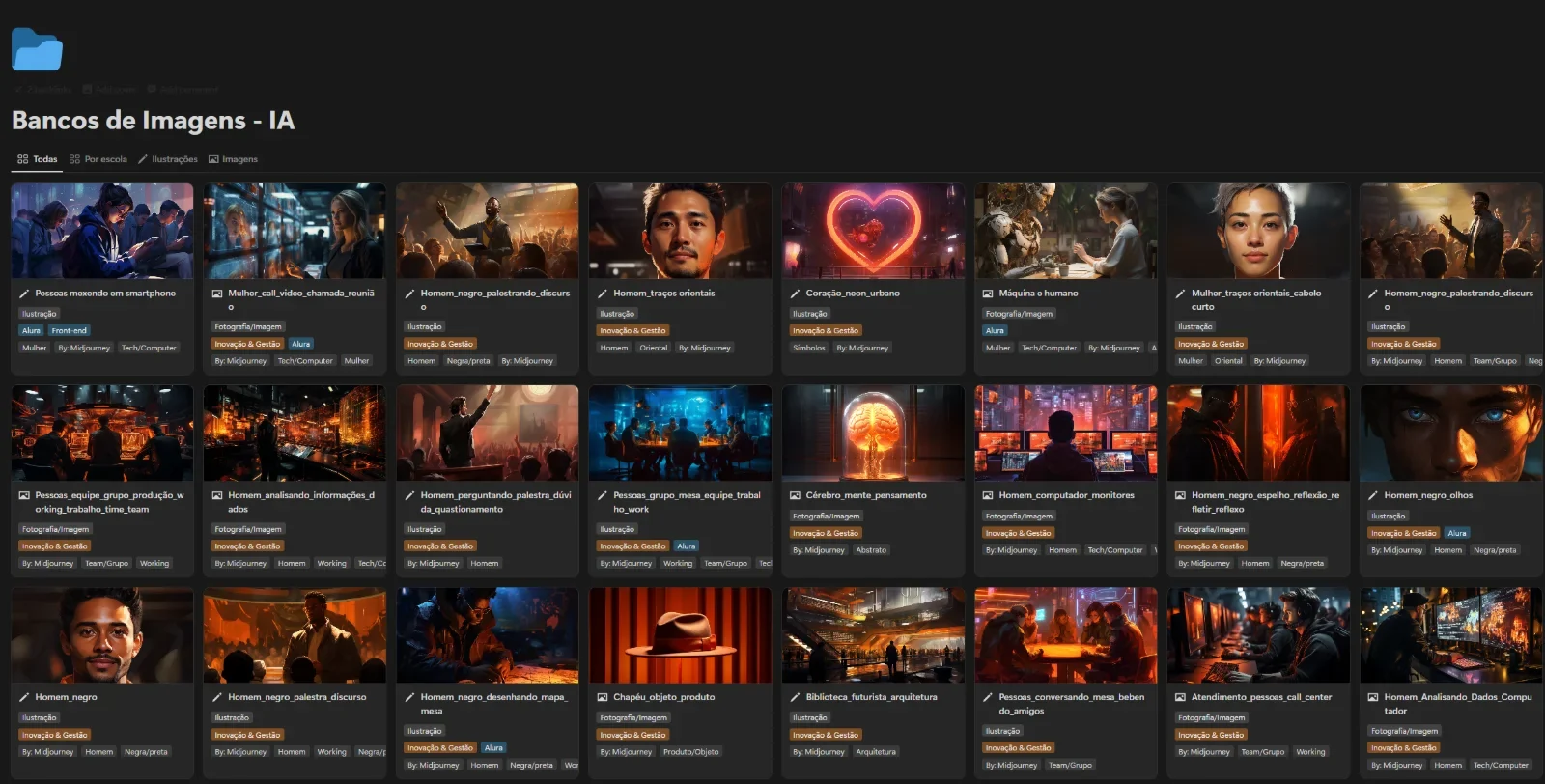
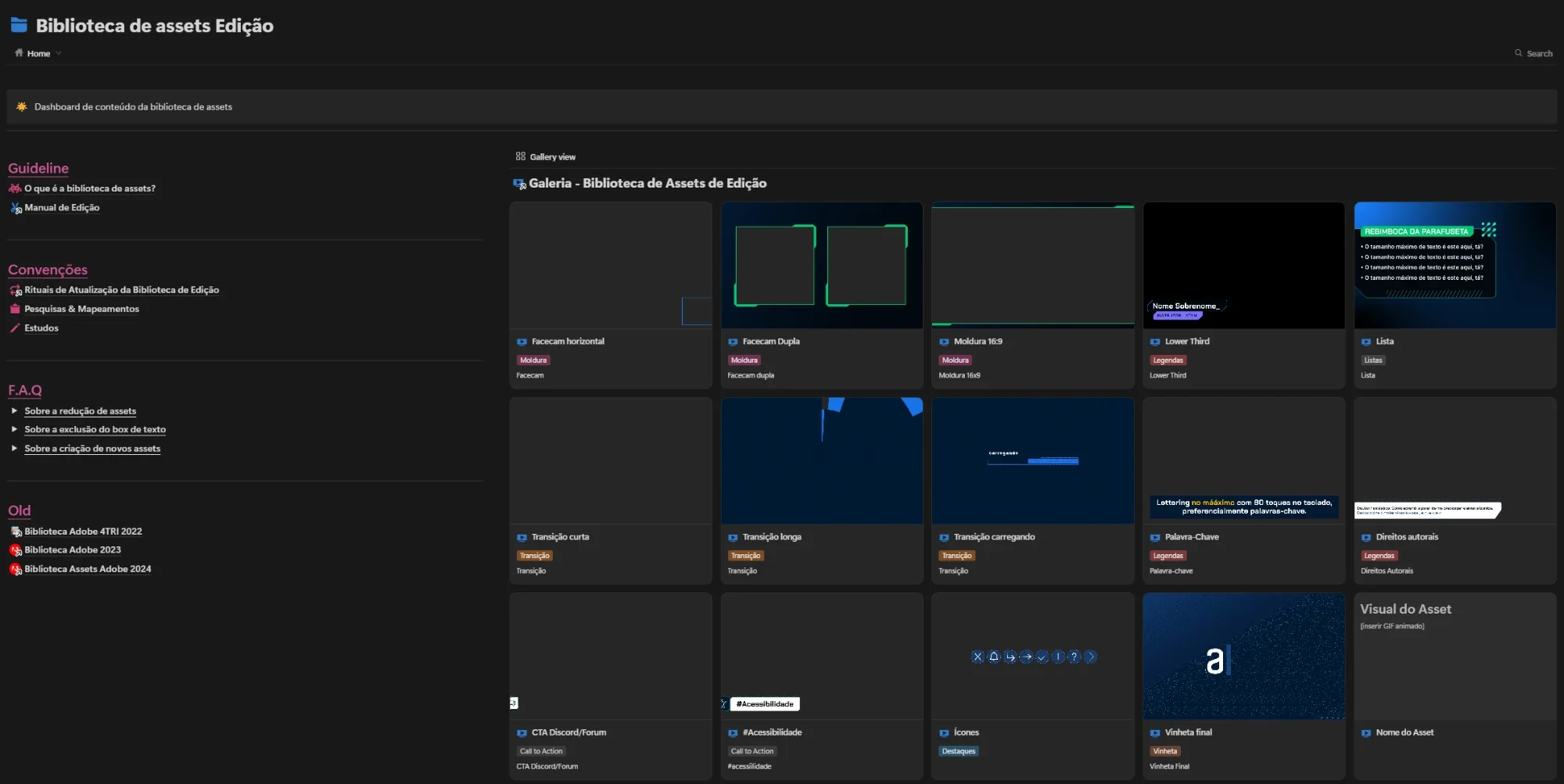
So we moved the library to Notion, where anyone can browse it.
As an interface
How the system could look as a tool people use.
ConceptThe library screen shows the shipped Notion library as an interface. The request form is a proposal built on the documented pipelines; it did not ship. Both are drawn for this portfolio with sample data.
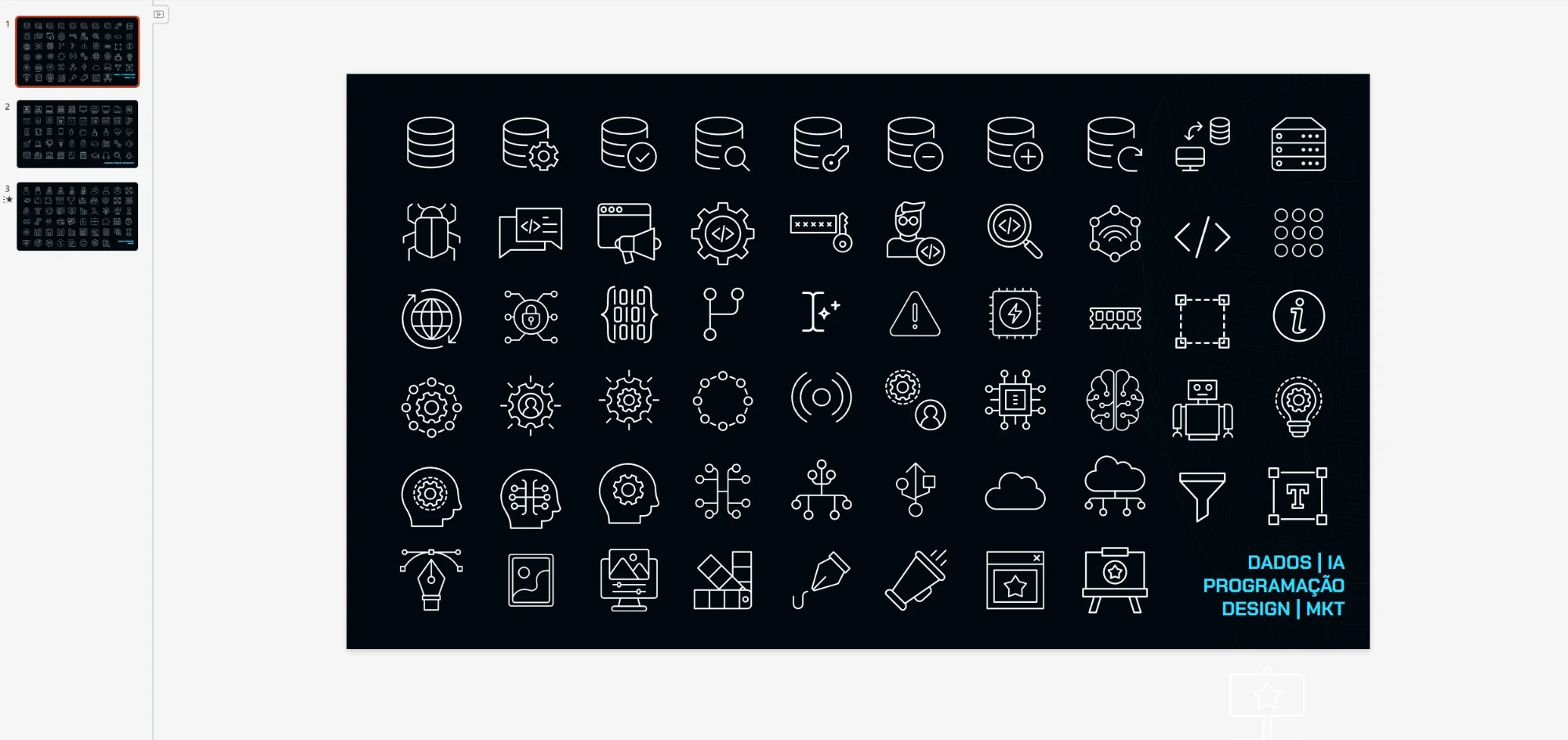
explain a concept6 of 214 assets
New request · step 2 of 3
What does this course need?
CoursePython for data analysis · module 3
FormatVideo lessonSlidesCover
Teaching notes00:42 show the DataFrame · 01:10 zoom on the error · 02:05 diagram: join typesNotes become edit marks automatically.
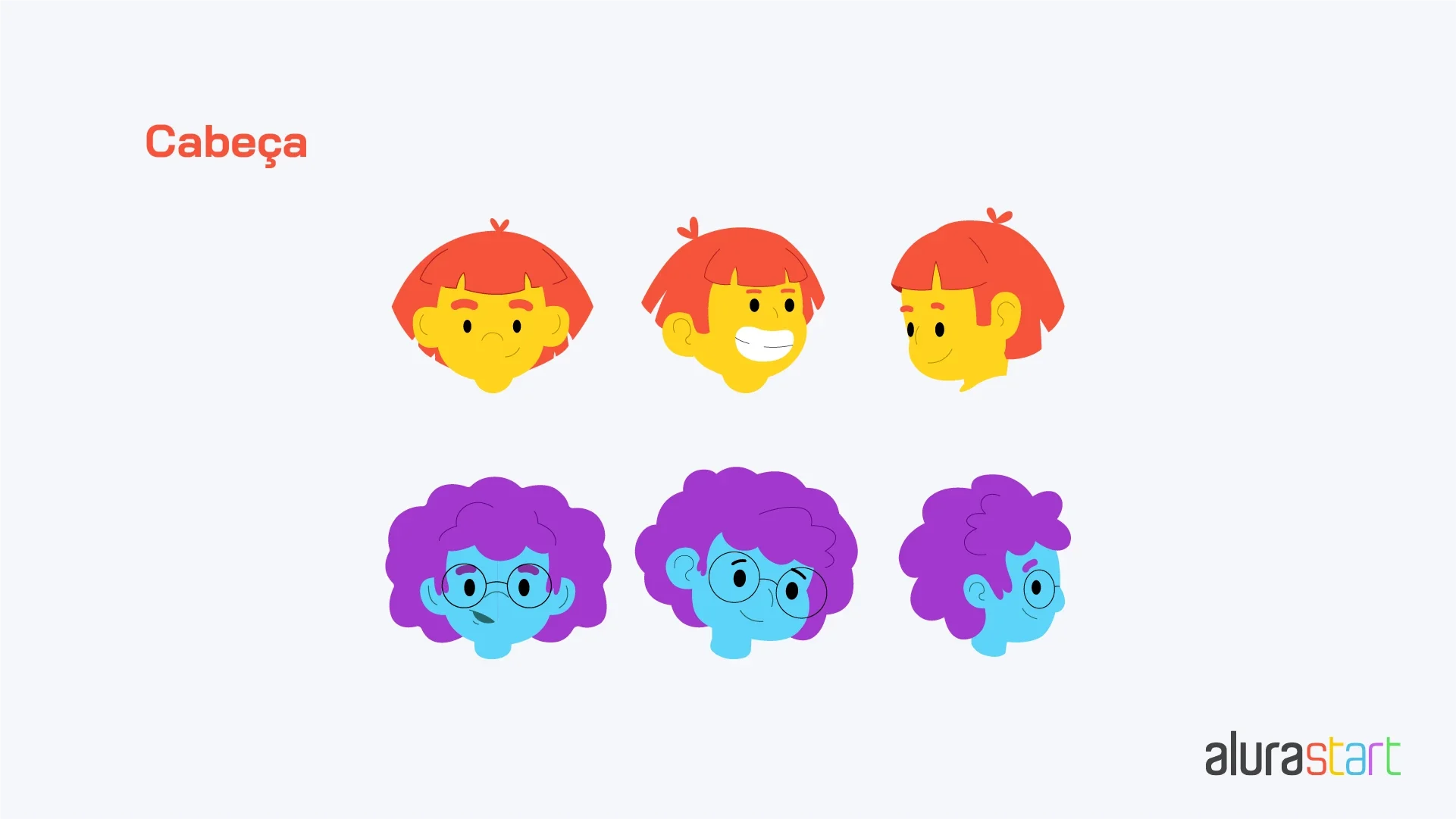
Assets from the library3 linked · Slide template, Icon set: data and AI, Character: student
BackCheck brief
✓ Brief complete: edit can start
Video and web
Pieces where I led post-production, and a landing page I designed and built myself.
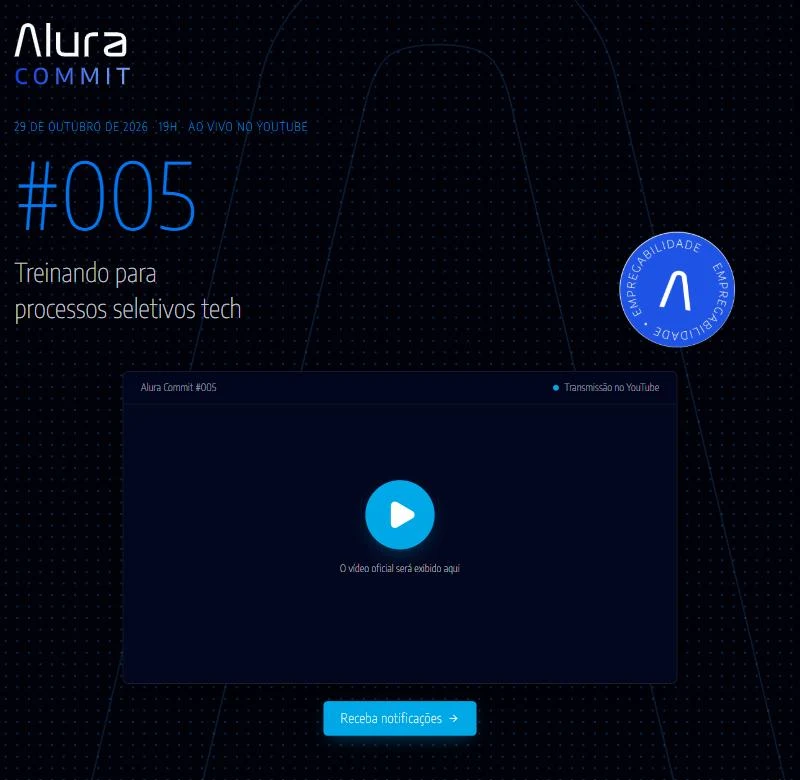 Open the page in a new tab
Snapshots
Images from our day-to-day operations.
Results
−42%rework caused by communication gaps
+30%quarterly output, before the team grew
4→12people, as the team drew professionals after company restructurings
With a clean library and documented pipelines, the team is ready for AI-driven automation and has more time for research and new formats.